- We decided to hire a car and driver to tour (implying a nice smooth road) to see some tribal areas of Arunachal Pradesh. This wasn’t true the roads in AP were brutal to say the least, wet, muddy, one lane with traffic, land slides and no traffic rules. Did I say so heavily pot holed it was unbelievable. The bluest sky we had seen in india for some years too. Our driver was so on (and he had to be) it was a real pleasure to ride with him. When we arrived in Ziro, the main town for the Apatani tribe it was dark and cold at 4:30 in the afternoon what a surprise. For the next 3 days we wandered around the countryside with a guide and learned about what the Apatani believe and how they live. Only Apatani’s are allowed to buy land in this area so it keeps the tribe more intact. Our guide was a affable young man who had learned english in school and was guiding because there weren’t many jobs in the area. Most of the people live in the old way, in small villages with a lot of the village related. They grow 2 crops of rice a year and veggies. They are meat eaters who raise there own chickens, and pigs. Very little spice is used in their food, chilies are served along side the food. Fermented foods are for sale in the market along with rats, wasps and larva. Most people are believers in an animist religion Donyi-polo (sun and moon worship). In villages one can see who has converted to christianity and who hasn’t by the type of pole suspended over the house. The poorer people are usually the converts because they don’t have the money to pay the shaman to perform the rituals that are required in cases of sickness and problems. Just buying a mitun (cow from the forest) can run $2000 Usually the shaman will break an egg and see what the egg yoke says and then tell the family what needs to be done to make peace or heal someone. We went to a huge ceramony that required a cow, a mitun, 4 chickens, and 3 puppies to be slaughtered. This was expensive but they did feed about 100 people that day. Plus the shaman has to stay up for 24 hr and pray before hand. Interesting to say the least. All the tribes in AP use bamboo in every which way possible. Weaving and wickerwork still play a big role in their lives. In agriculture they flood the rice fields and farm fish in the rice paddies as well. As we traveled along we would stop and visit a village and see what was going on. Everyone cooks on open fires inside and above the fire meat drys and homemade rice wine ferments. Plus they hang their clothes high and the constant fire drys them.
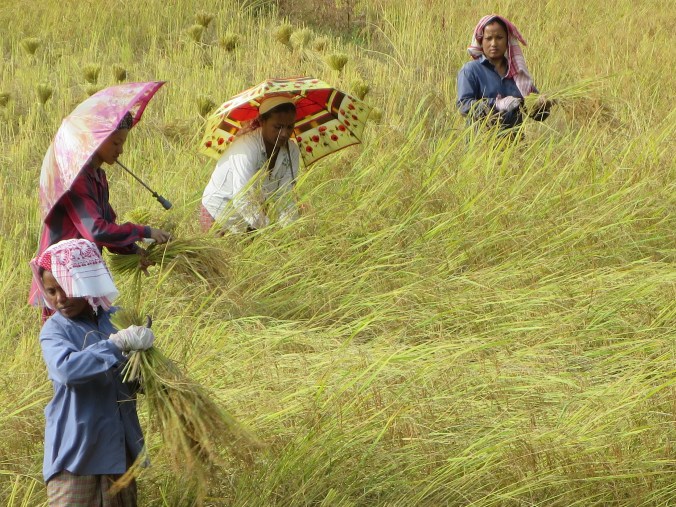
Working in the a dry rice field
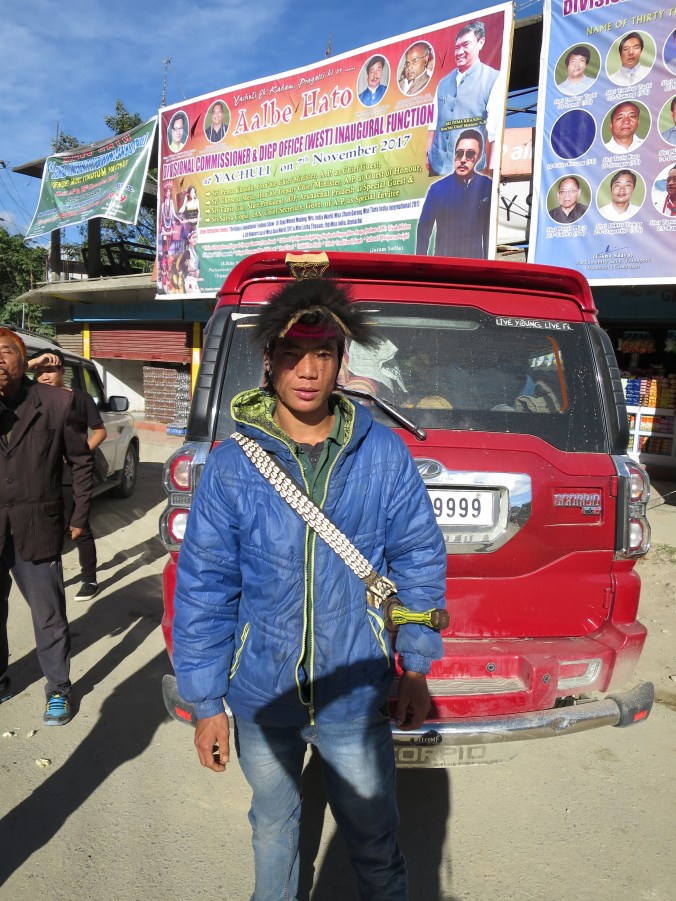
A tribal coming back from a gathering
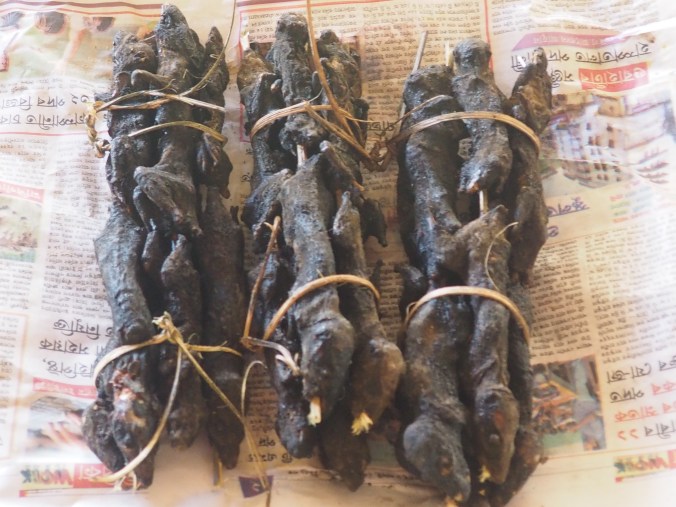
Rats for sale

Larva for sale
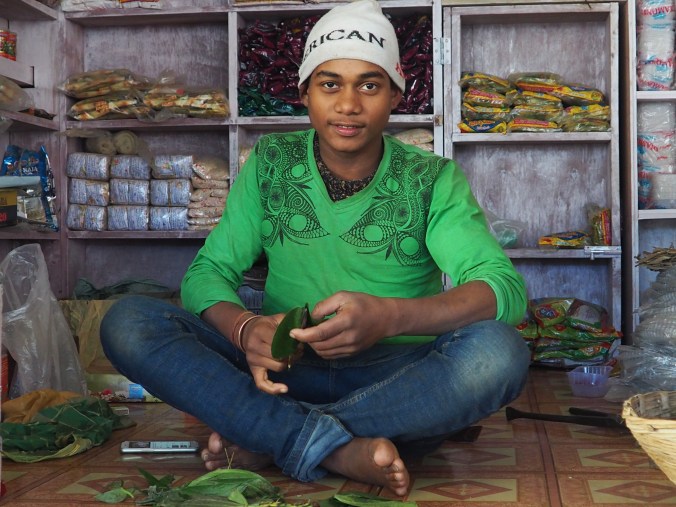
Making pann to chew

We followed this river to Ziro
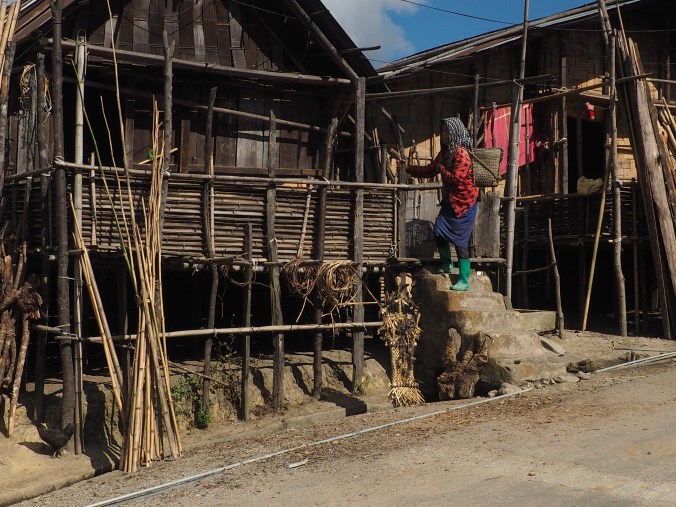
Apatani village
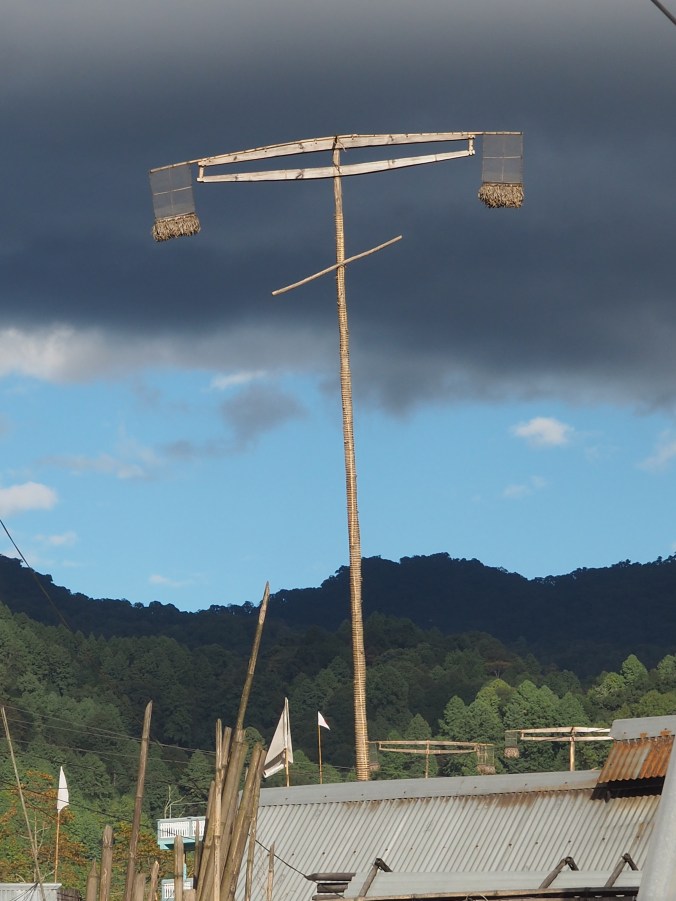
“Babohs” donyi-polo symbol
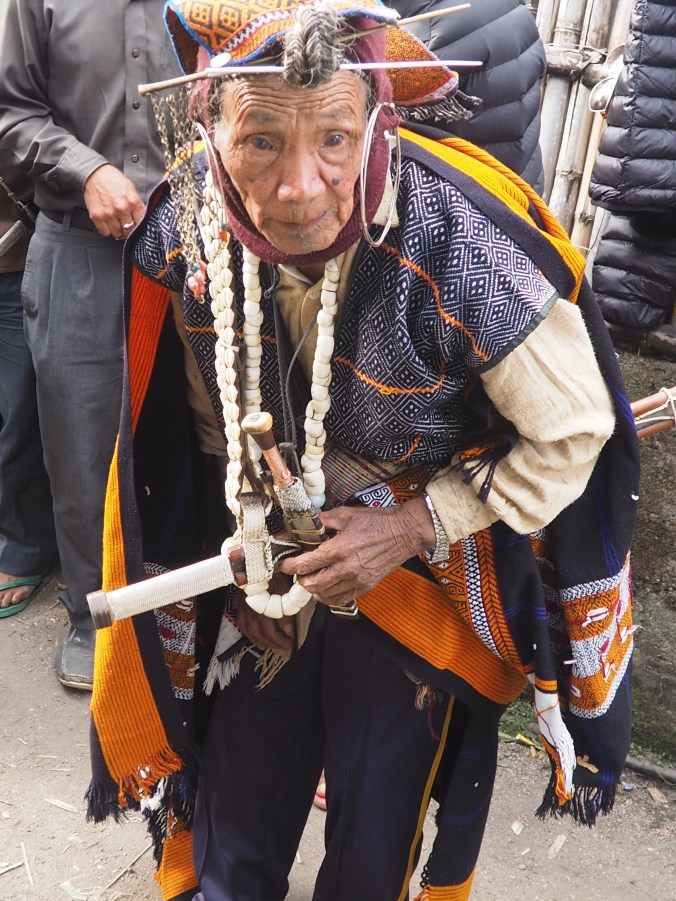
Apatani shaman conducting a ceramony
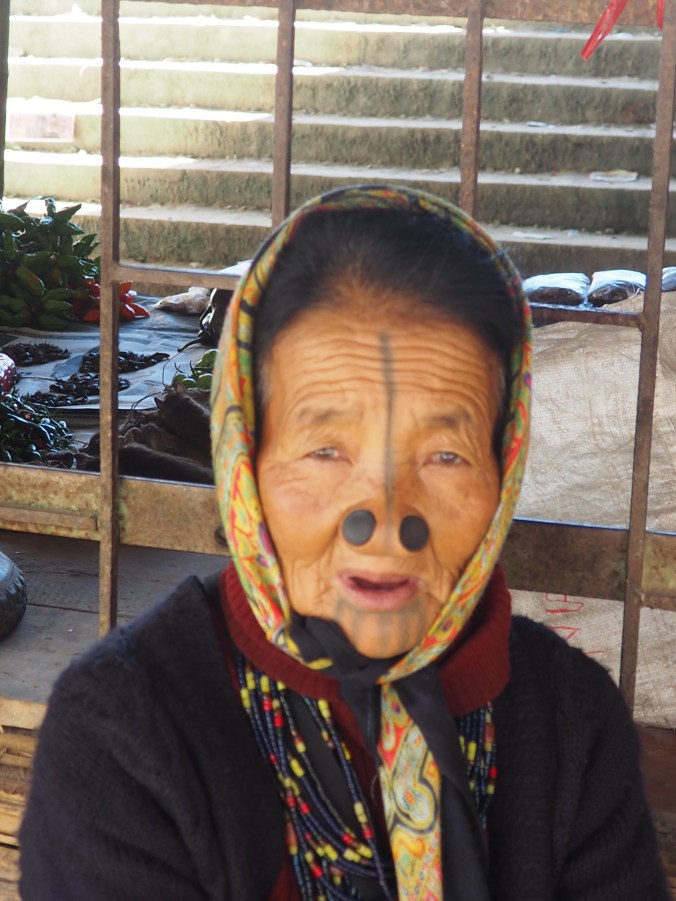
Appertain woman with a nose plug
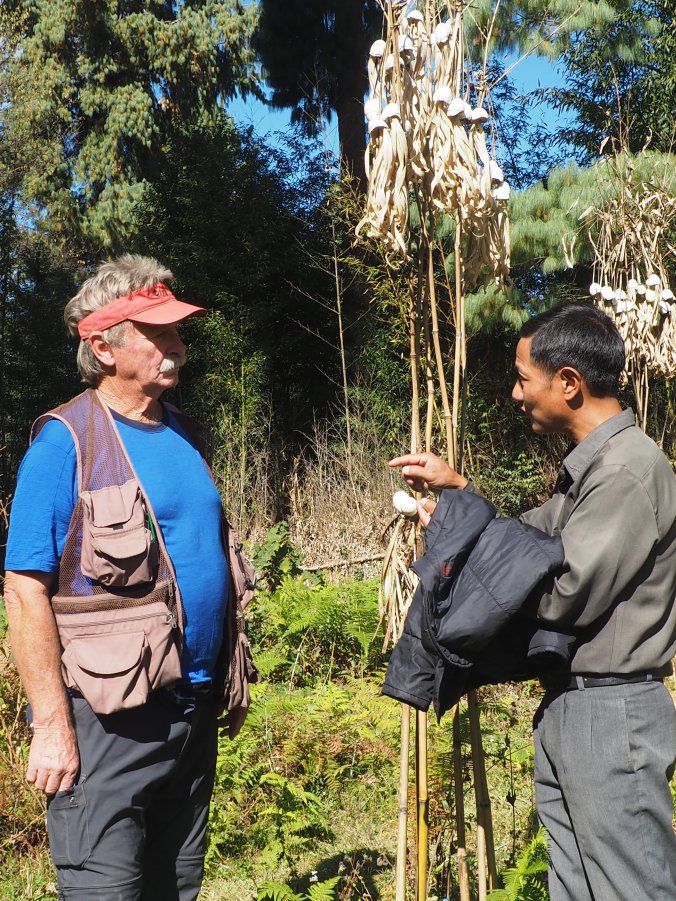
Our guide explaining the Doni-polo sacrifice yard.

Bringing the pole for a celebration from the forest as a party
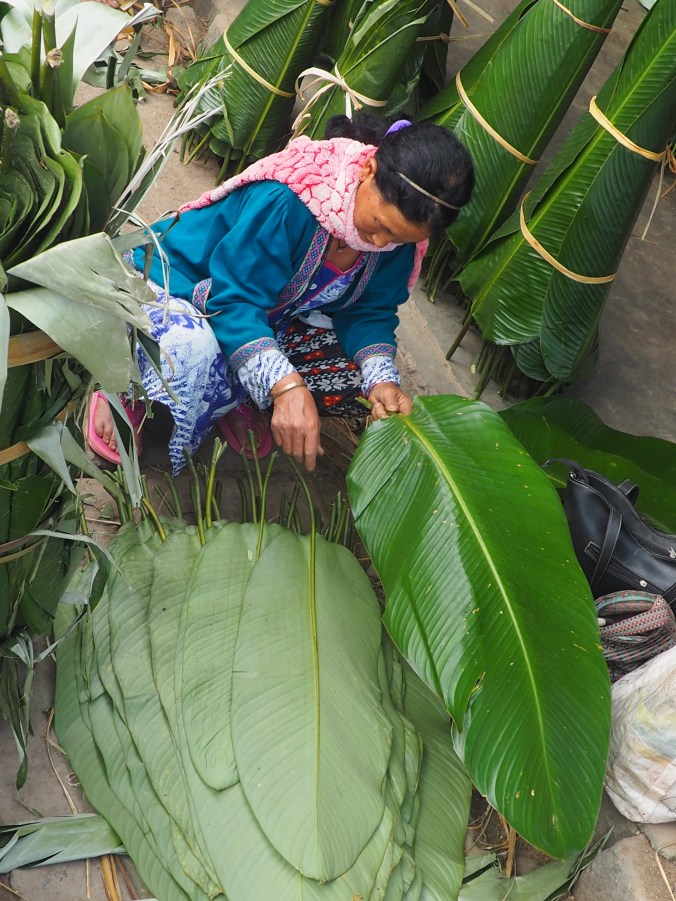
Selling the leaves that are used as plates all over AP
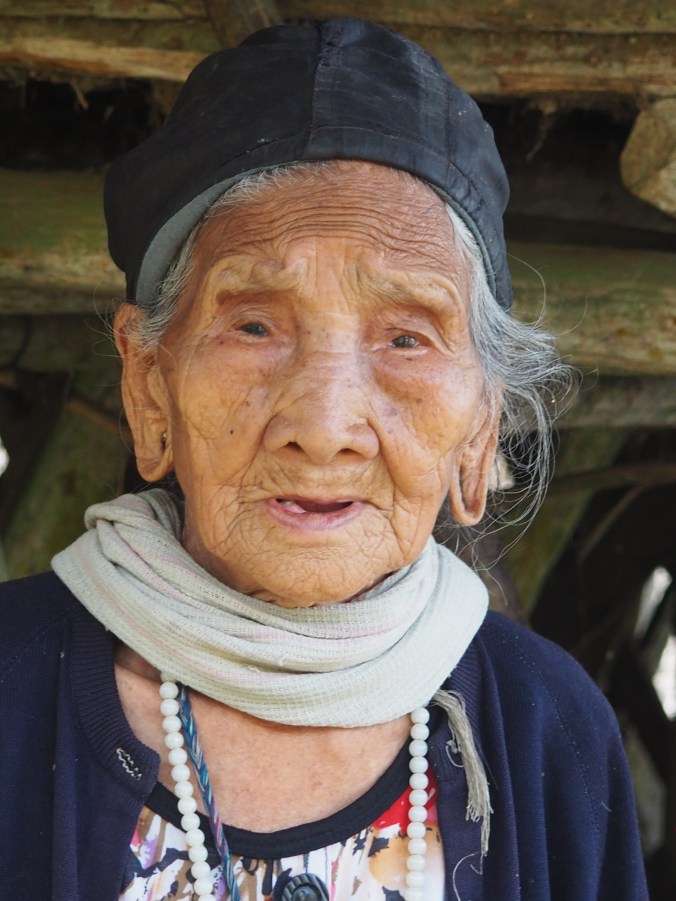
Galo woman
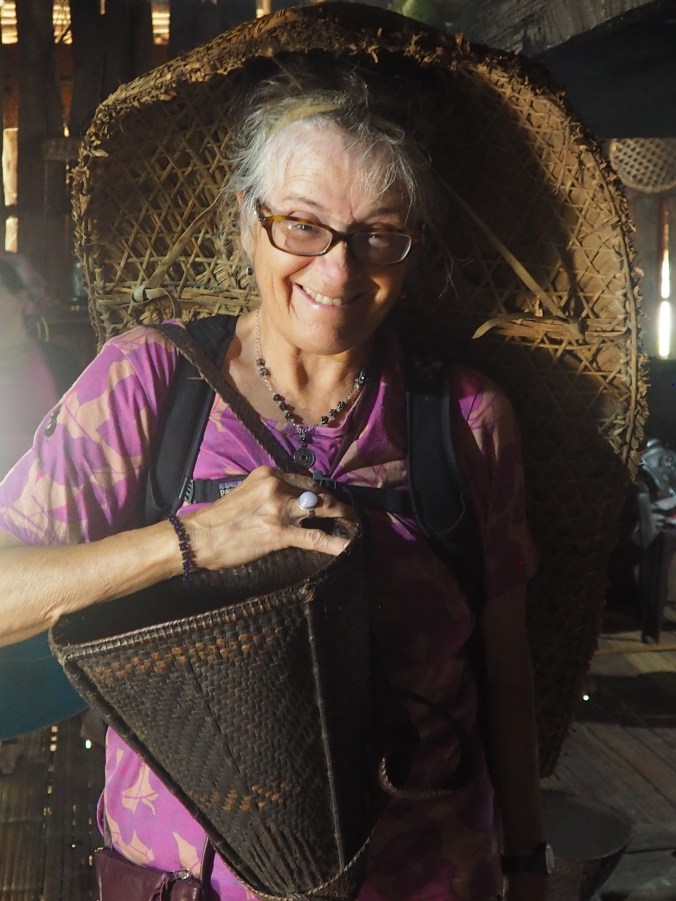
Janet trying a basket carry
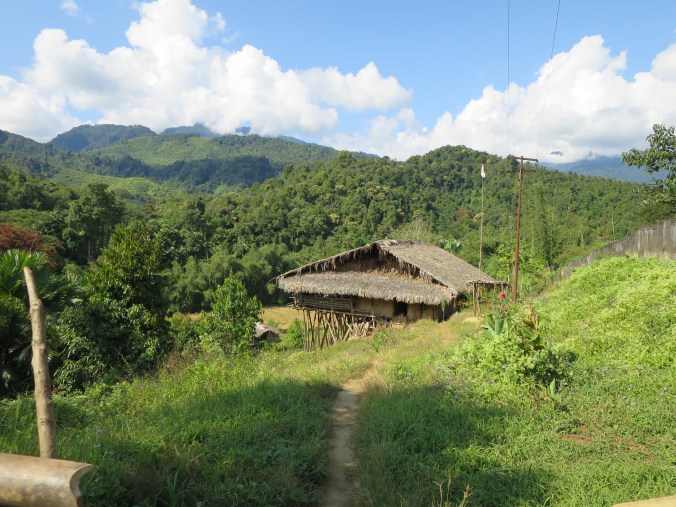
A Galo traditional house
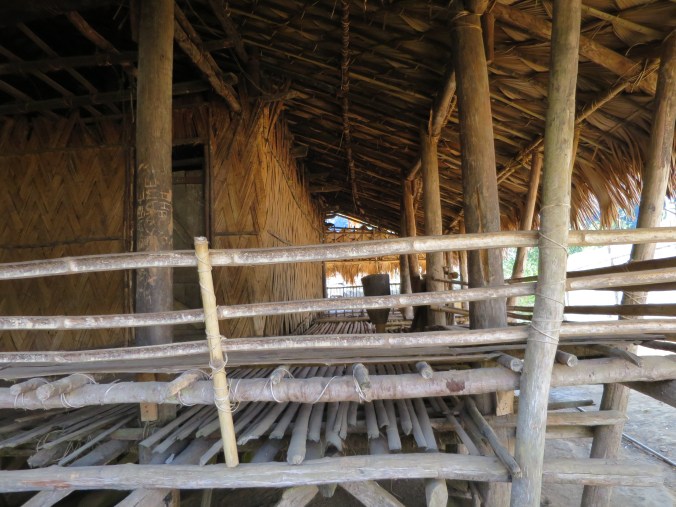
the porch of a Galo house.

Pot used for bathing on back porch
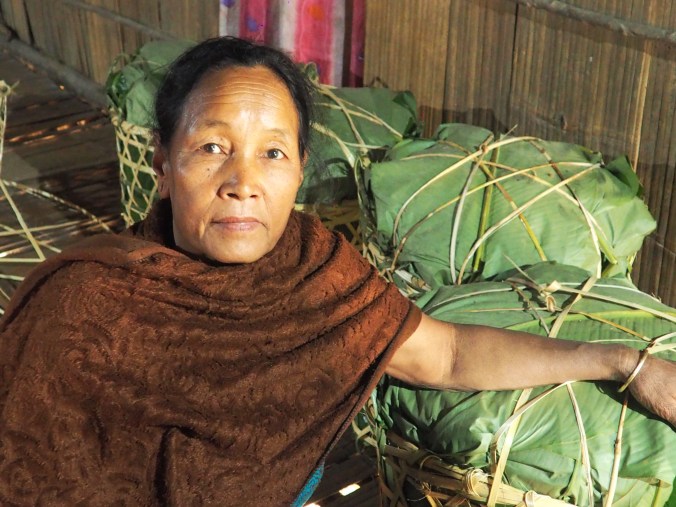
Halo women making rice wine
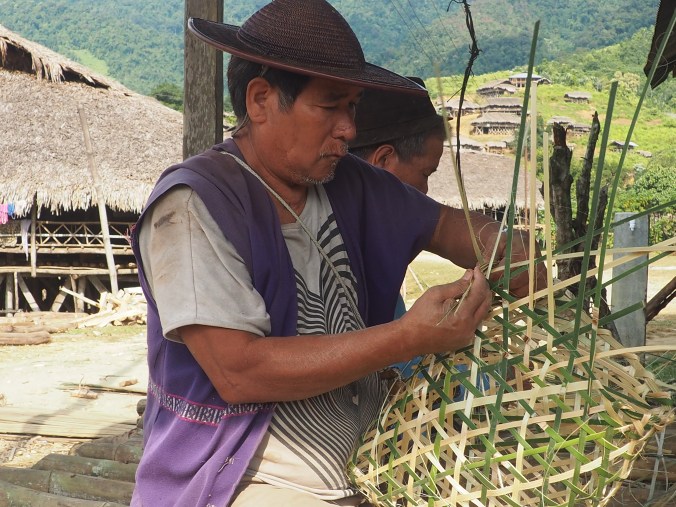
Galo man weaving a basket
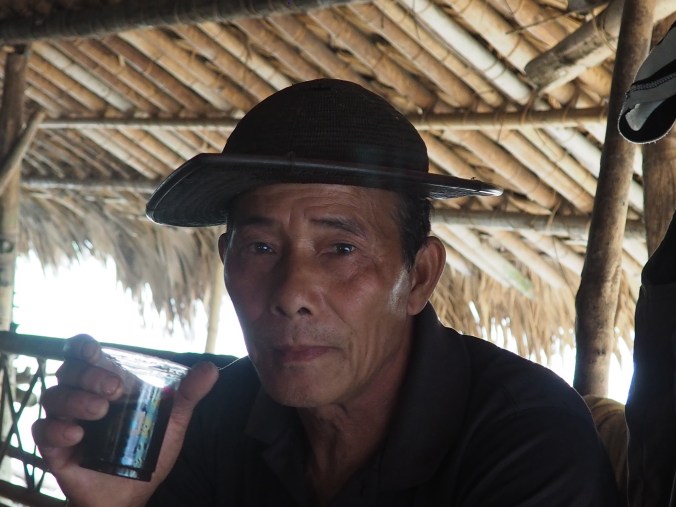
Drinking rice wine with our new friend
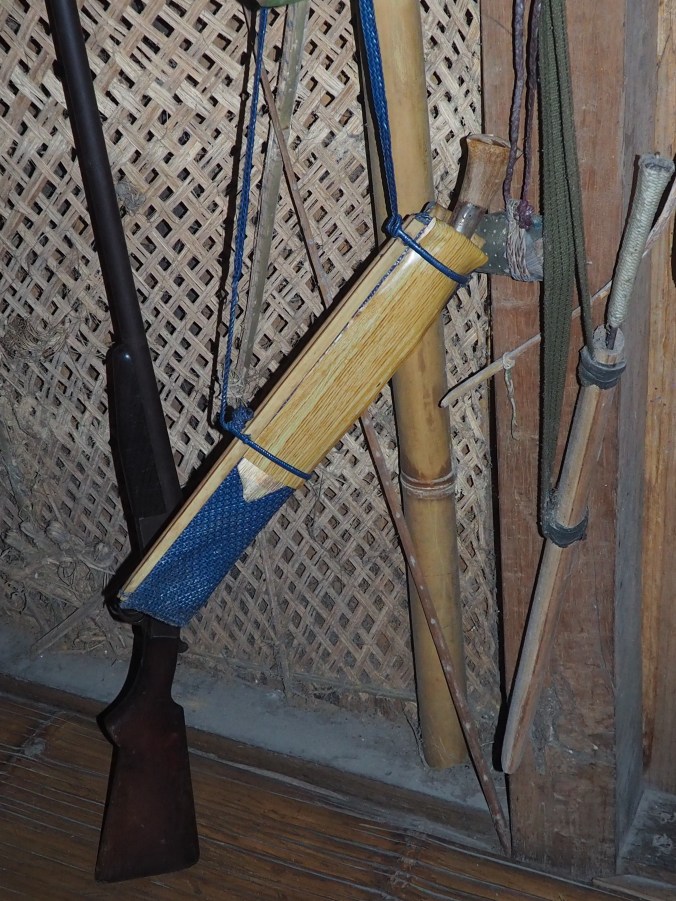
Galo tools
the Galo houses were scattered around the countryside with about 10-30 houses per village. The rice is stored in separate barns set away from the houses in case of fire. Which does happen when the entire house is made of bamboo. There is a folk medicine school in the area and so some of the herbal medicine will be passed on. We really enjoyed our time (8 days) in AP and would love to go back and see more.
-
Subscribe
Subscribed
Already have a WordPress.com account? Log in now.
 Adventure Traveling with Janet and Pat